

Agentic AI Ordering: What It Means for Your POS and Your Bottom Line
For the last few years, "AI" in a restaurant or shop usually meant a chatbot that could answer a question. Something like: "What are your hours?" or "Is this dish gluten-free?" Helpful, but simple. It talked. It didn't do anything.
That's changing fast and most small business owners haven't heard about it yet.
AI Isn't Just Answering Questions Anymore. It's Placing the Order.
A new kind of AI is showing up. Instead of just chatting, it can actually place an order on someone's behalf, pick the items, add the extras, enter the payment, and send it straight to the business. No human typing it in. No phone call. No app being opened by hand.
This is called agentic AI ordering (or "agentic commerce"). The word sounds fancy, but the idea is simple: the AI acts like an agent, like a personal assistant who goes and does the shopping for you.
Here's what that actually looks like in real life:
- A customer tells an AI assistant on their phone, "Order my usual from that pizza place," and the AI places the exact order - no scrolling, no typing.
- A busy parent asks an AI tool to "reorder the coffee beans we always get," and it finds your shop, places the order, and pays - automatically.
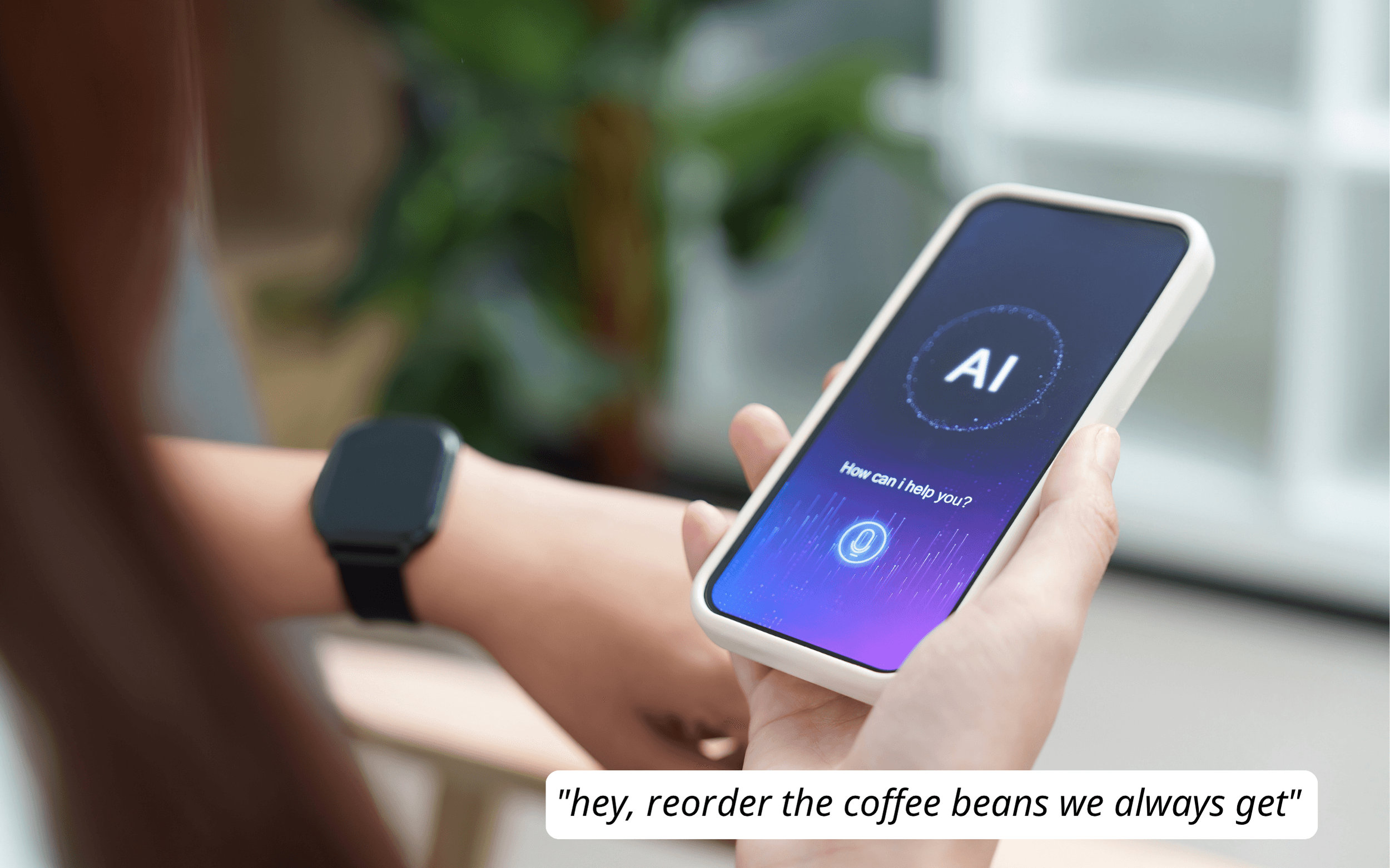
- A shopper asks an AI to "find me a birthday gift under $50 and have it delivered by Friday," and the AI compares a few shops, picks one, and completes the purchase.
In every one of these cases, your business is on the receiving end of an order that a person never actually typed in themselves.
This Is Growing Fast: Even If It Feels Small Right Now
Right now, in 2026, this kind of AI-placed order is still a small slice of overall sales. But the growth curve is steep. According to Juniper Research, the total value of orders placed this way is expected to jump from about $8 billion in 2026 to $3.5 trillion by 2031 - that's the AI-ordering world going from a tiny corner of commerce to a genuinely massive one in just five years.
Other research firms studying this same trend, like McKinsey, expect AI-placed orders to make up $3 to $5 trillion of global retail spending by 2030.
The exact number isn't the point. The point is this: every serious researcher looking at this space agrees on the direction more and more orders, in restaurants and retail alike, are going to arrive from an AI acting on a customer's behalf, not from a person tapping through a menu themselves.
Why This Matters for Your POS
Here's the part that actually affects your business day to day.
When a real person places an order, they can deal with a little mess. If your online menu is a bit outdated, a person can still figure out what you mean. If your system glitches for a second, a person waits. If a price is confusing, a person asks a question.
An AI agent can't do any of that. It needs clean, accurate, up-to-date information to work with your current menu, your real prices, what's actually in stock and it needs your point-of-sale system to be able to receive an order without a human stepping in to fix it.
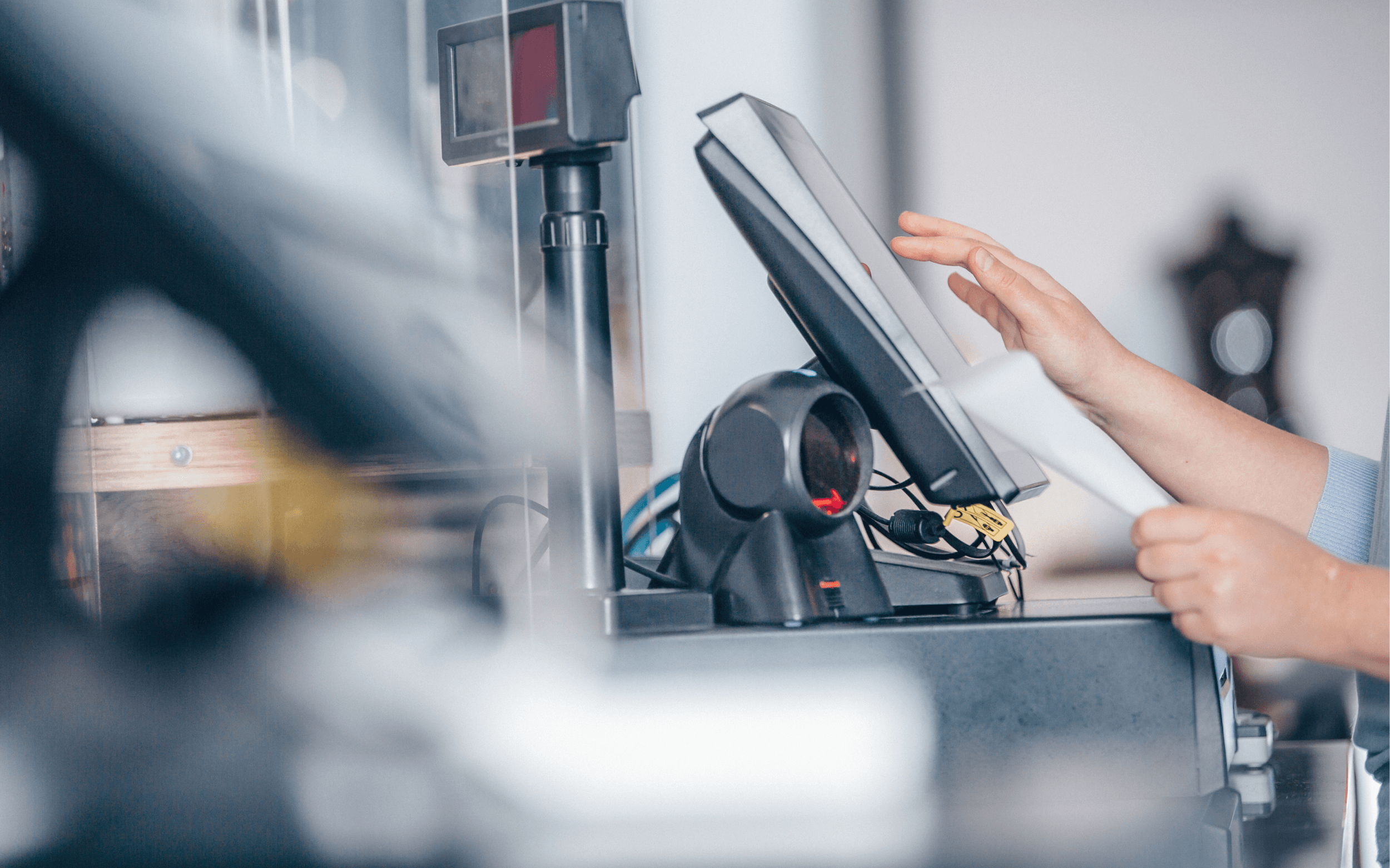
If your systems are a mess behind the scenes, your online ordering platform doesn't talk to your in-store POS, your menu prices are different across apps, your inventory isn't tracked in real time, an AI agent will often just skip your business and move to a competitor whose systems are cleaner and easier to work with.
In plain terms: a messy, disconnected POS used to just be annoying. Soon, it could mean you're invisible to a growing slice of customers who never even open your website or your app.
What This Doesn't Mean
This doesn't mean you need to rush out and buy some complicated new "AI system" tomorrow. Most small businesses don't need to build anything special for this on their own.
What it does mean is that the basics the boring stuff matter more than ever:
- Your menu or product list should be accurate and up to date everywhere it appears
- Your prices should match across every place a customer (or an AI) might see them
- Your online ordering, in-store POS, and inventory should be talking to each other, not living in separate corners
- Your business information (hours, location, what you actually sell) should be easy for any system to find and understand
A clean, connected POS was always good for your business. Now it's also what makes sure you don't get left out of a growing wave of orders that arrive without a human ever picking up the phone.
The Bottom Line
AI used to just answer questions. Now it's starting to place real orders and spend real money on behalf of real customers who trust it to get things right.
Your point-of-sale system doesn't need to be flashy. But it does need to be clean, accurate, and connected because the next customer walking through your digital front door might not be a person at all. It might be an AI, quietly placing an order for someone who's busy doing something else entirely.
Getting the basics right today is how you make sure that order lands on your counter not your competitor's.
Check whether your current POS system already includes the right AI features, or determine how it needs to be upgraded to keep pace with the AI era. Contact us for a consultation on the best solution for your needs.